Among the undisputed highlights at DOG 2026 in Berlin are the Keynote Lectures. Four highly ranking experts will dedicate their 30-minute talks to topics of importance not only to ophthalmology but to medicine and society in general.
Albrecht von Graefe Memorial Lecture
Friday, 25.09.2026, 16:45-18:00
Saal Donders
Macular telangiectasis type 2 – a fruitful adventure
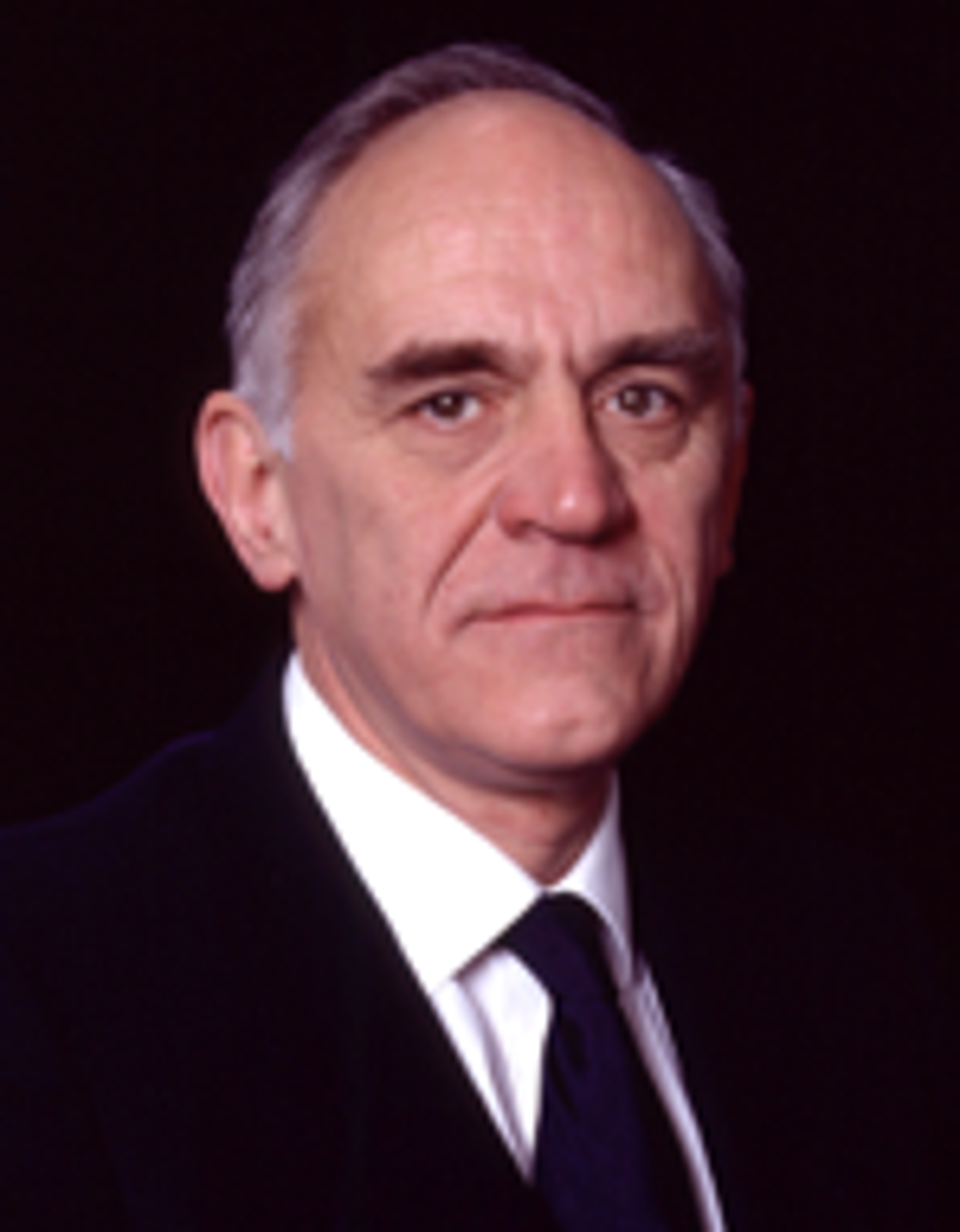
Alan C. Bird (London)
The Albrecht-von-Graefe-Medaille is awarded every ten years to an individual who has made outstanding contributions to the advancement of ophthalmology, regardless of nationality. At this year’s congress, Alan Bird will receive this prestigious award and deliver the von Graefe Memorial Lecture.
Alan Bird is internationally recognized as one of the leading experts in medical retina. His work on age-related macular degeneration, retinal dystrophies, and the introduction of fundus autofluorescence has significantly advanced the understanding and diagnosis of retinal diseases.
As a consequence of international multidisciplinary research that was unconventional in its planning, Macular Telangiectasis Type 2 has evolved from an ill-understood disorder to a well-characterised disease with knowledge of the pathogenetic metabolic pathway involved and beneficial treatment.
In this video, Professor Alan C. Bird shares insights into his
pioneering research on Macular Telangiectasia Type 2 and offers a glimpse of the topics he will address in his lecture.
Keynote Lecture
Friday, 25.09.2026, 11:45-12:15
Auditorium von Graefe
Vision Restoration with the PRIMA Implant: what’s next?
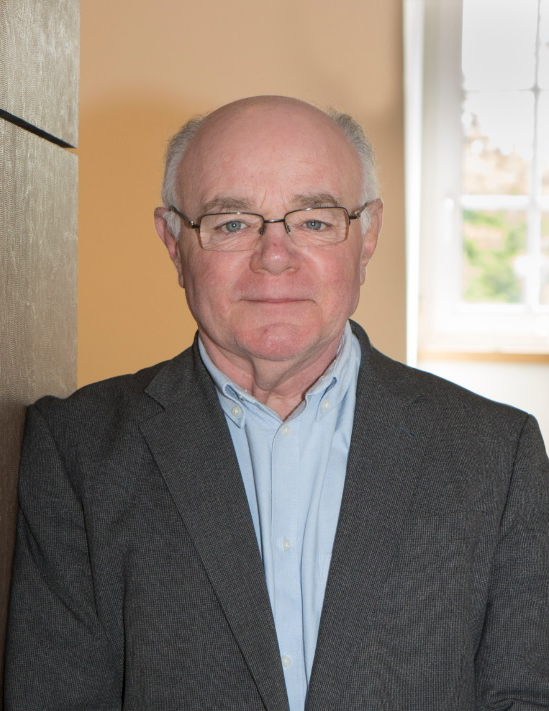
Yannick Le Mer (Paris)
Age-related macular degeneration (AMD) with geographic atrophy (GA) causes irreversible vision loss and no therapies exist to restore visual function in this population. This study evaluates the safety and efficacy of the PRIMA system to restore vision in patients with severe vision loss due to GA. The PRIMA system employs a subretinal photovoltaic wireless implant with augmented reality glasses that project near-infrared light on it, thereby restoring input to second order neurons. On the 38 patients included in a prospective study, the PRIMA system successfully restored central vision in participants with AMD-related GA, demonstrating statistically significant and clinically meaningful VA improvements at 12 months post-implantation with consistent treatment effects across patient subgroups.
Keynote Lecture
Thursday, 24.09.2026, 11:45-12:15
Auditorium von Graefe
Home Monitoring: From idea to clinical use
Anat Loewenstein (Tel Aviv)
The presentation will discuss the development and impact of home-based optical coherence tomography. Technology, clinical applications, and healthcare delivery model will be shared. We will discuss how development of such a service can serve as a blueprint for other digital health patient centric solutions.

Saturday, 26.09.2026, 11:45-12:15
Auditorium von Graefe
Ophthalmology Without Borders – Shaping the Future Through Digital Ophthalmology?
Heinrich Heimann (Liverpool)
The increasing digitisation of medicine is changing the way we practise ophthalmology. In the UK, digital ophthalmology has been an integral part of routine treatment for years, leading to improvements in diagnostics, prevention, treatment, patient satisfaction and clinical research. A comparison of different countries illustrates the changes that can be anticipated in Germany, as well as the obstacles that must be overcome.