
For the first time, DOG 2026 is offering live English translations of German-language presentations. The service is available in selected session rooms and can be accessed conveniently via smartphone or web browser.

For the first time, DOG 2026 is offering live English translations of German-language presentations. The service is available in selected session rooms and can be accessed conveniently via smartphone or web browser.
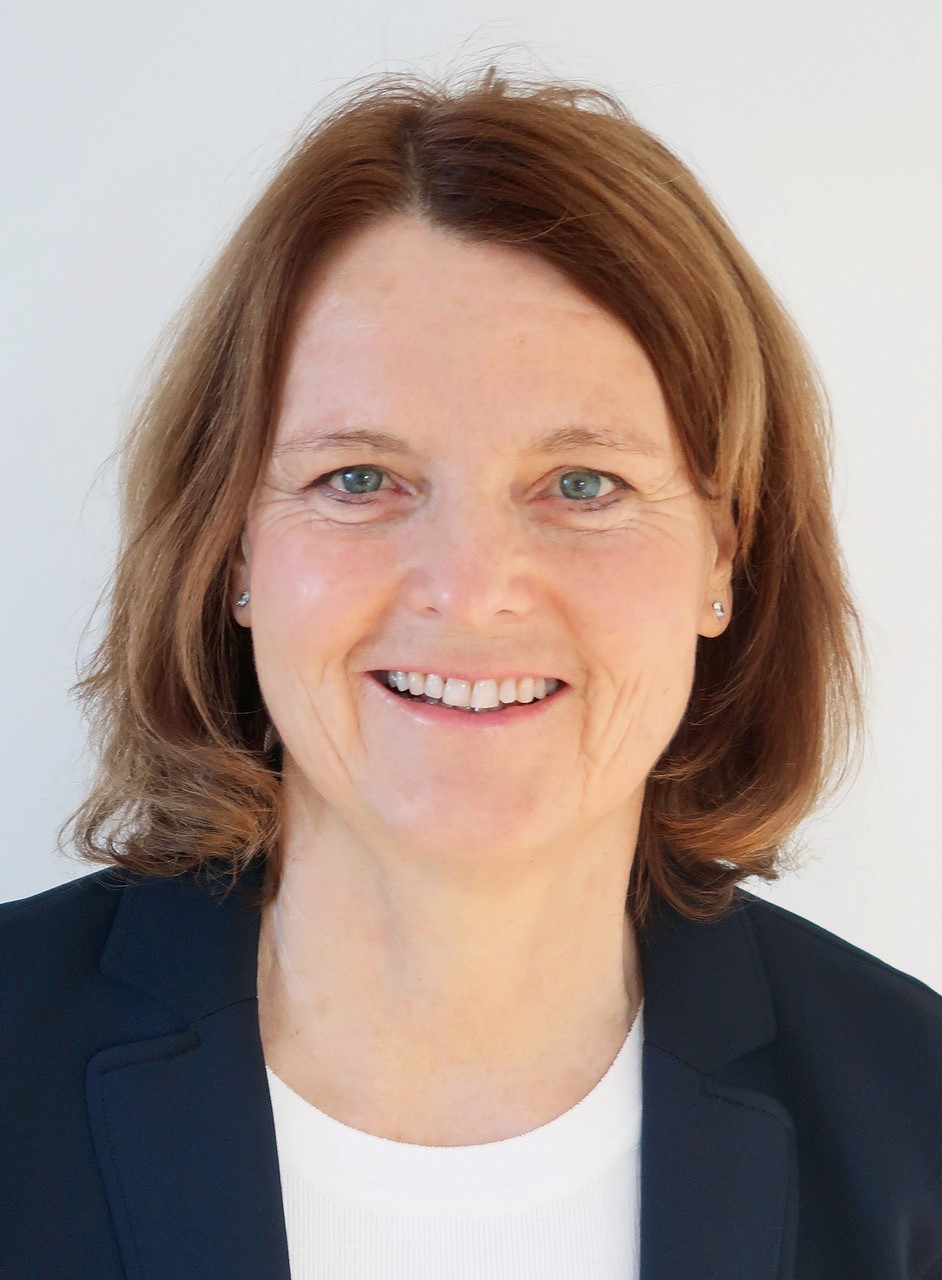
Dear Sir or Madam, dear colleagues,
The DOG will hold its congress for the 125th time in 2027 —and I very much look forward to welcoming you to the Estrel Berlin from September 30 to October 3. Together let’s celebrate what makes our field unique: diagnostic precision, surgical skill, scientific curiosity—and a willingness to think outside the box.
This is precisely what our congress theme “Interdisciplinary Ophthalmology” is all about. As a specialist in orbital diseases, strabism, and pediatric ophthalmology, I experience it every day: many of our patients need care that extends beyond a single discipline. That is why we are inviting colleagues from other specialties to contribute to our symposia and case conferences.
An interdisciplinary approach also means bringing together people and machines, clinical practice and data. Few medical specialties are as well-suited to the application of artificial intelligence as ophthalmology. In his Keynote Lecture, Professor Philipp Berens from Tübingen—one of the leading figures at the intersection of AI and neuroscience—will explore the possibilities ahead.
Two further Keynote Lectures will bring additional perspectives to the program: Professor Frank G. Holz, recipient of the von-Graefe-Award of the DOG for his outstanding scientific achievements, will deliver the traditional von-Graefe-Lecture. Professor Wolf Lagrèze, Chair of the GSNK, will focus his Keynote Lecture on pediatric ophthalmology.
The established core of our program remains: symposia, abstract presentations, case conferences, courses, and workshops—for experienced colleagues and those at the start of their careers alike. Once again, the wide range of wet labs promises to be a particular highlight. With its International Experts Day and an extensive English-language program. the DOG congress has also become a meeting place for ophthalmologists from around the world.
Supporting the next generation is particularly close to my heart: For the second time, candidates will be able to take the FEBO exam right here in Berlin. And, for the first time, young ophthalmologists will develop their vision for the DOG in 2030 at the “Future DOG” forum. The best ideas will be awarded and put into practice through a joint effort.
At the industry exhibition, you can explore the latest developments in medical technology, pharmaceuticals, and software firsthand. The new Estrel Tower, directly connected to the hotel and convention center, will make it even easier to stay at the heart of the congress – with short walking distances and everything under one roof.
On behalf of the DOG, I cordially invite you to join us for four stimulating days of science, discussion and exchange. Let’s learn from one another, share ideas —and enjoy our time together.
Welcome to DOG 2027 in Berlin!
Prof. Dr. Anja Eckstein
President of the German Society of Ophthalmology (DOG)
Anbei einen Liste der DOG 2021 Highlights:

Das Wissenschaftliche Programm finden Sie ab sofort unter folgendem Link.
